The impact of social media on young people's mental health
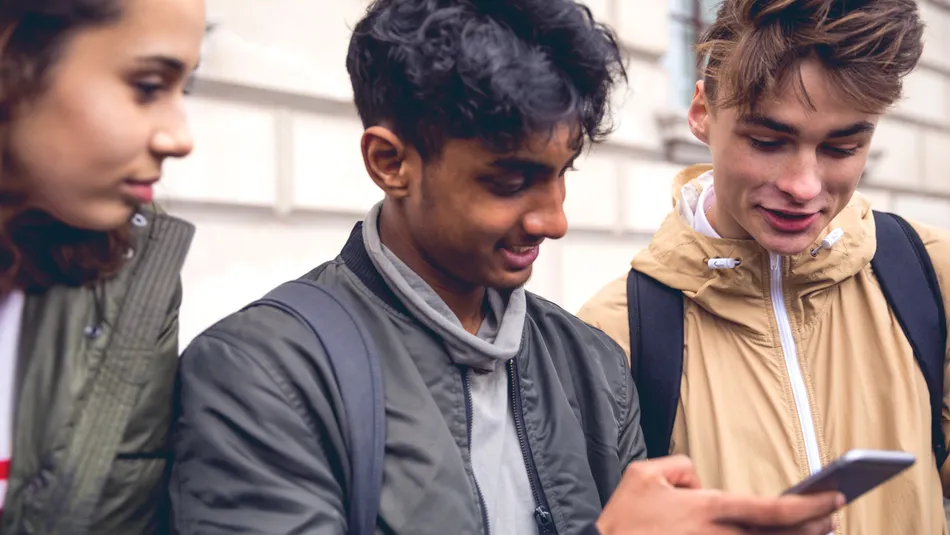
With young people spending more time online, how is social media impacting mental health?
In a recent Gov UK report, 97% of young people aged 10-21 years old have a smartphone. And 96% of those surveyed used social media.
Social media can offer a lot of good. It be a great way for young people to stay connected
But the reality is that social media can be hard to switch off from.
Social media can:
- Help a young person connect and maintain relationships with family and friends.
- Benefit those who feel isolated, care for family members, and live with disabilities.
- Allow young people to join communities and interact with like-minded people who share common interests, goals, and attitudes.
- Give young people the freedom to express themselves through profiles that reflect their identity.
- Help young people stay informed with the latest news, and topics they're interested in.
Questions about children and technology?
It provides a space for cyberbullying
Cyberbullying is when somebody bully's another person online or through a digital device.
This can include social media, phones, gaming platforms, and forums.
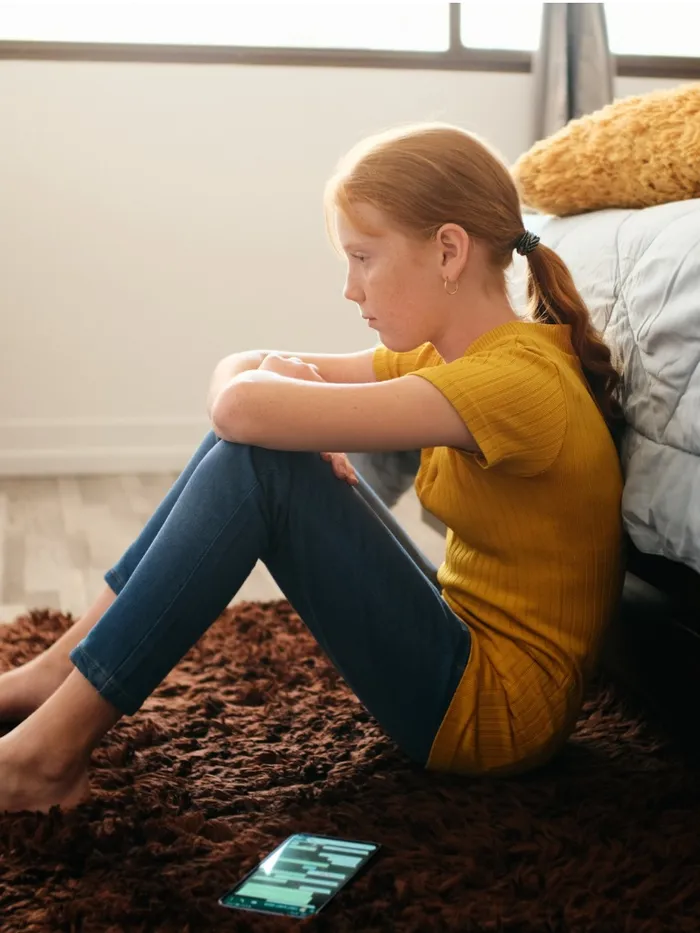
With young people spending more hours online, cyberbullying can happen anywhere, at any given time.
Unlike physical bullying, harmful messages or posts can be shared quickly and seen by large audiences.
The act of cyberbullying can do significant harm to the emotional wellbeing of a young person, with lasting effects carried through to adulthood.
However, most social media platforms have rules against bullying and online abuse can be reported.
Help your child stay safe online
Lead to an unhealthy culture of comparison
Most of us are guilty of comparing ourselves with others and wanting to fit in.
But for young people, looking at their own lives and constantly feeling that 'it’s not enough' can be particularly damaging.
Our feeds online are fuelled with a constant stream of perfectly curated images and videos.
This can make a young person feel insecure, and sometimes lead to low self-esteem and self-image.
So, while social media allows a young person to freely express themselves, they may feel torn between presenting their true self, or an ideal version to fit in online.
Learn how to support low self-esteem
Excessive use of social media
Social media platforms are designed to keep its users scrolling.
They also make us feel good when we have positive social interactions.
Social media exploits this by sending us notifications for every like, comment, or share we receive.
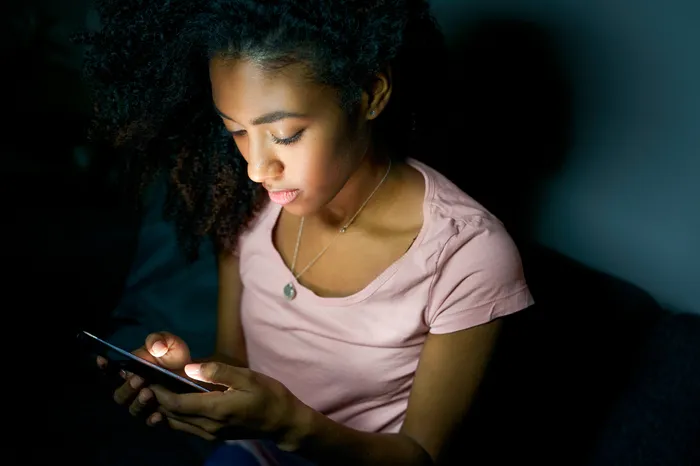
We subconsciously register this as a reward, which drives our urge to check our profiles and accounts.
Spending more time on social media than desired can lead to a lack of sleep, or leave no time to focus on anything else, such as schoolwork or hobbies.
Social media can have both positive and negative effects on young people's mental health.
The key is using it in a healthy and balanced way - by taking regular breaks and being mindful about how it's used.
While the Governments decision to improve online safety - including plans to restrict social media access for under-16s - are welcome, we still need stronger protections in place to ensure young people can enjoy the benefits of the online world.
Stay up to date with all of our latest news, stories, and campaigns
Keep up to date with Action for Children!
Sign up to our newsletter