Criminally exploited children
We've been working for over a decade to support young people affected by exploitation.
Find out more about our workTens of thousands of children and young people across the UK are at risk of criminal exploitation.
Since 2012, we've been running intervention services across the UK to support and protect children and young people aged 11-18 at risk of criminal exploitation, and their families.
We work with police, local authorities, and social work services to identify children at risk earlier. Then, we provide them with support when they need it most.
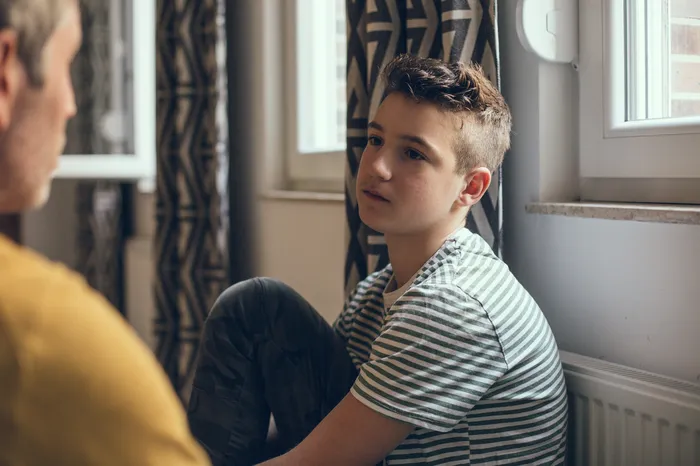
Through one-to-one peer mentoring from people with lived experience of exploitation, our services provide education, training and practical skills to help children and young people move forward.
In line with our recommendations in the Jay Review, child criminal exploitation, cuckooing (home takeover) and internal concealment were written into the Crime and Policing Act 2026. This means these forms of child exploitation are now criminal offences.
And most recently, thanks to the National Lottery players, Action for Children has received almost £5 million from The National Lottery Community Fund, the largest community funder in the UK.
This transformative grant that we're set to receive over the next three years enabled us to open new exploitation intervention services, in Leeds, North Tyneside, Gateshead, and London.
Alongside this, we're expanding activity at three of our existing services in Edinburgh, Newcastle and Flintshire.
The funding comes from The UK Fund, one of The National Lottery Community Fund’s significant commitments as part of its 2023-2030 strategy, ‘It starts with community’, funding projects that help children and young people thrive - one of the funder’s four key missions.
Criminal exploitation of a child or young person is when they are forced or pressured into committing criminal activities. It's a form of child abuse, but children are often treated as criminals rather than victims.
This could include dealing drugs, carrying weapons or stealing. All while risking their own safety, wellbeing and future.
There isn’t a legal definition yet but, alongside other organisations we’re working to change this. Having a clear definition will make it easier to identify, protect and support criminally exploited children, as well as prosecute those that exploit them.
In November 2023 we commissioned The Jay Review of Criminally Exploited Children. Our aim was to understand how children were being protected from criminal exploitation and where they were being let down.
One of the recommendations of the Jay Review was for a statutory definition of the criminal exploitation of children. The review was clear that a shared definition across policing, justice and children's service is essential to make sure that children are identified and kept safe.
Different types of criminal exploitation
Other types of criminal exploitation of children include:
- Shoplifting, pickpocketing or begging
- Dealing drugs
- Growing cannabis
- Theft and burglary
- Harming or threatening others
- Cybercrime and financial scams
- Money laundering, through a child’s bank account
The people who criminally exploit children can be male or female, a young person or an adult, or part of a group.
They can be a person from the child’s community, family or school. They can also be someone the child has only ‘met’ online through a gaming platform, messaging app or social media.
But, they are most likely to be part of a local organised crime group or smaller gang.
Impact of criminal exploitation of children
We know the devastating impact exploitation can have. Young people tell us about being groomed, threatened and subjected to violence, leaving them feeling trapped and hopeless.
Lesley Gordon, Director for Criminally Exploited Children at Action for Children

It can be difficult to spot the signs of child criminal exploitation, especially in young people. That’s because some of them may be the same as, or overlap with, the normal changes in behaviour that happen when a child becomes a teenager. For example:
- Wanting more privacy and independence
- Pushing boundaries
- Being moody, aggressive or defensive
- Avoiding activities or hobbies they previously enjoyed
- Hanging around with new friends, some of whom may be older
- Changing their appearance.
However, if any of these seem extreme, it’s possible that a child is being criminally exploited.
Other giveaways include unexplained injuries, signs of drug or alcohol addiction, suddenly having cash or expensive goods, missing school or travelling to new areas regularly.
If you're worried about a child, you can contact us.
My peer mentor told me the life I was living ends in one of two ways...prison or the grave. It was shocking but it's what I needed to hear
A young person we've supported through our services
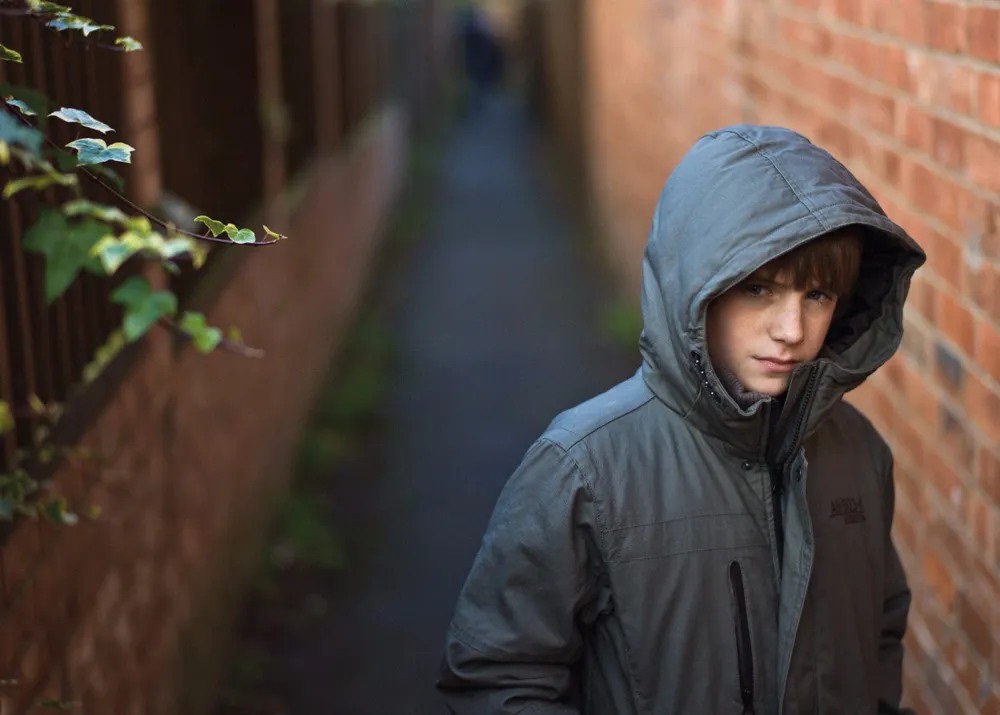
The Jay Review helped us to understand the measures in place to protect children from exploitation and identify the missing gaps.
Since the review and in line with our recommendations, the government has made child criminal exploitation a criminal offence, as part of the new Crime and Policing Bill.
We've also worked alongside the government to create new prevention orders that allows the police to place restrictions on anyone they believe is exploiting children.
Alongside this, The Children's Wellbeing and Schools Bill includes a new ID number for every child. This will allow services to easily share information and protect those at risk of exploitation.