Child poverty
Children across the UK are living in poverty - but you have the power to change that.
Donate now4 million children are living in poverty in the UK - but what does this actually mean?
Child poverty means that children and young people are growing up without enough money. This prevents children from thriving by limiting their access to basic needs.
In the UK, a child is considered as living in poverty if their household income is less than 60% of the national average. Some families are more likely to be hit than others, including single parents, bigger families, and Black and Asian families.
27% of children
8 children
7 out of 10
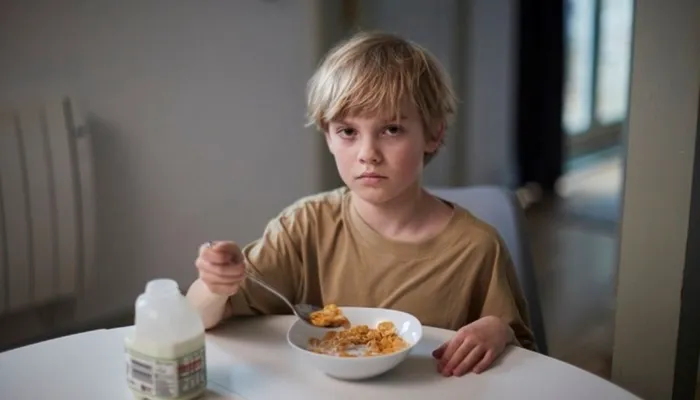
- Employment: In 2024/25, almost three-quarters of children currently experiencing poverty were in working households. Pay isn't going up and support for working parents has decreased to the point where many families are trapped in unbreakable low-income cycles.
- Housing impact: When factored into the poverty line, it's clear that housing costs are an enormous financial burden. The rate of child poverty doubles in areas with high rent, such as in London.
- Family size: Nearly half (49%) of children living in poverty are in families with more than two children.
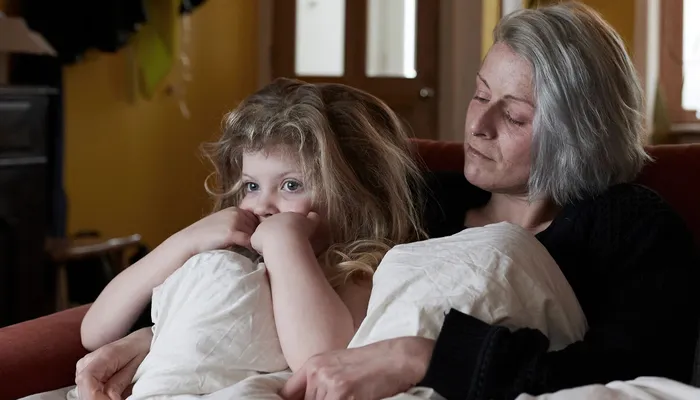
Going far beyond a lack of money, child poverty has a direct impact on daily life and future opportunities for children, young people, and the family.
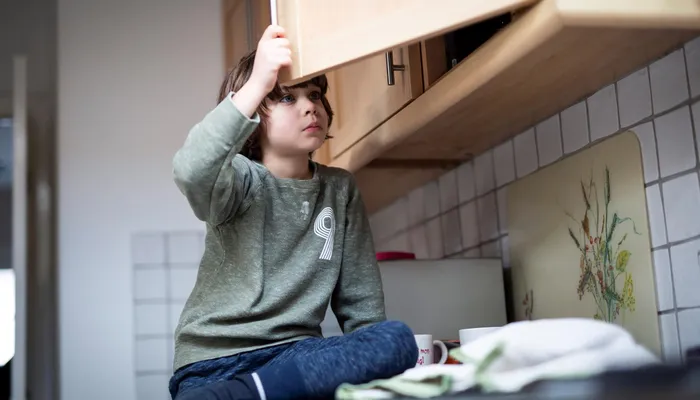
Children may go to school hungry, without the correct equipment and unable to attend outings with the rest of their class. Many children and young people won't have beds to get into at the end of the day.
For parents, this can encourage feelings of stress and guilt. They too experience food insecurity, skipping meals so their children might eat, and feel isolated despite working tirelessly to protect their family from the realities of hardship.
Experiencing poverty as a child has immediate and life-long impacts. It impacts three main areas:
The stationery I was given helped a lot with my education. I didn't have a notepad so when I got them it was really useful because I needed to write down a lot of things for school.
Vanessa, a young carer experiencing poverty
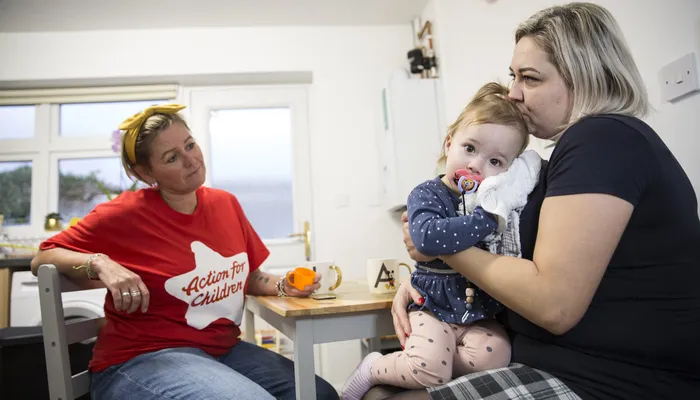
As a charity tackling child poverty, we have over 300 services across the UK supporting families, children, and young people directly. We also campaign for real, lasting change through our policy and research work.
Recently, we campaigned for the government to remove the two-child limit and benefit cap as part of our Paying the Price campaign, and in April 2026 this was officially scrapped as part of the new Child Poverty Strategy. This will lift 350,000 children out of poverty overnight, and keep half a million free from poverty by the end of the decade.
If you guys weren’t there, I strongly believe that a lot of families would be broken. […] I wouldn’t have had a cooker for a long time. We would’ve waited months and the kids wouldn’t have gotten a hot meal.
Rachel, 26, parent of two children with serious health problems
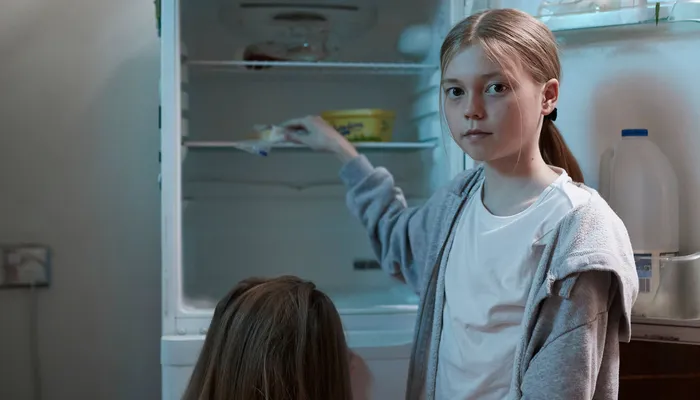
4 million children in the UK are living in poverty, unlike anything our frontline services have ever seen - and you can change that.
Since 2020, we’ve run a Crisis Fund which provides emergency grants to families and young people in our services to help with the cost of essentials like food, bills and cooking equipment.
We’ve paid more than £2 million in emergency grants since 2020 to 18,000 families and 41,000 children.
Find a local service
We have plenty of options available. Use our tool to find a service near you - or, give us a call on 0300 123 2112 for more information.
Financial support
Citizens Advice has information for those struggling with living costs. You can also use the Turn2Us Benefits Calculator to make sure you are receiving all the support you are entitled to. Alongside these you can also get in touch with your MP as their office might be able to offer some more guidance and access to local support. It’s also important your MP knows about the financial struggles of their constituents.
Parenting advice
At Action for Children, we know that financial strain can put pressure on all sorts of other areas of family life. Our Parent Talk service offers free advice for parents and carers of children aged 0-19 in the UK. Our parenting coaches have seen and solved it all – no topic is too big, small, or embarrassing. Whatever your background or experiences, we want to help. We know that everyone’s challenges are unique, and we aim to offer a welcoming and trusted place to get support.
We run 303 services for children, young people, and families across the UK.