It seems you're using Internet Explorer 11, which is not supported by this website. Please consider upgrading to a modern browser for the best browsing experience.
What is youth homelessness and how many young people are affected in the UK?
Leanne Cresswell - Digital Content Officer
Published: Tuesday 29 September 2026
In this blog, we explore the scale and impact of youth homelessness in the UK, and how our services help young people find safety and support.
What is youth homelessness?
Youth homelessness is when a young person doesn't have a stable place to live.
They may be:
Sleeping on a friend or family members sofa.
Living in temporary accommodation.
Staying with strangers.
Facing the risk of losing their home.
How many UK young people are homeless?
According to the latest data by Centrepoint, an estimated 123,932 young people aged 16-24 in the UK were homeless, or at risk of homelessness in 2024/25.
However, homelessness can be difficult to measure.
These figures do not include those who are sleeping on the floor or sofa, and those staying with friends and strangers.
The young people we help have nowhere else to turn.
Today in the UK, 4 million children live in poverty.
In many cases, homeless young people leave home because their families cannot afford to look after them.
It's in this transition where young people are at increased risk of homelessness.
The rise in costs of living, coupled with barriers to accessing the right social support or housing for young adults, makes it harder to find long-term accommodation.
Some LGBTQ+ young people become homeless because of family rejection. Coming out can sometimes result in conflict or abuse with family members, which may drive the young person to leave.
People from ethnic minority groups are often overrepresented in homelessness statistics. This may be in part due to structural imbalances in society that also make them more likely to experience poverty and hardship.
Many refugees face a difficult transition after receiving refugee status, and have only 28 days to find a home and income. However, most people seeking asylum are not allowed to work, and support payments aren't enough for rented accommodation, meaning that many are left with nowhere to turn.
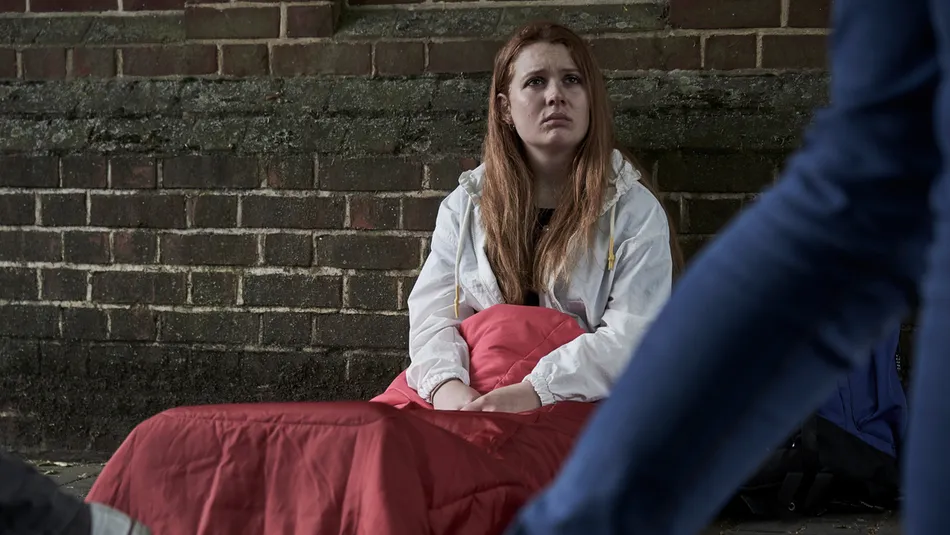
Lorna's story
We helped Lorna find safety when she became homeless.
Preventing a young person’s first night of homelessness is crucial.
Our services provide the support they need before they reach crisis point.
In Dorset, our Nightstop service provides emergency accommodation to young people who are homeless or at risk of becoming homeless.
And thanks to our amazing volunteer hosts, more than 900 vulnerable young people have had a safe night's sleep, while our teams work to find longer-term solutions.
Our services
We run 303 services for children, young people, and families across the UK.