Children in care
Every 15 minutes, a child goes into care in the UK and they need your support.
Donate nowEvery child deserves a safe, happy and healthy place to live. When this isn’t possible in their family home, they may be taken into care.
A child in care is any child who has been looked after by their local authority for more than 24 hours. While a child or young person is living away from their family home, the local authority acts as a temporary parent.
This is called ‘corporate parenting’, and means they are legally responsible for the child’s wellbeing. Another term used by the government is ‘looked-after child’. However, most children prefer the phrase children in care. That’s why we use it, too.
Hundreds of thousands of children are living in care across the UK.
Although the overall number is rising, this isn’t the case in every country. In Scotland, there are fewer children in care than in previous years; in England, Northern Ireland and Wales, there are more.
You can see these figures at a glance below:
All I've ever known is hate and trauma. I just want to be somewhere I feel safe, love, and that feels like home.
Michael, a care-experienced young person
The two main types of care are residential and foster. A local authority must carefully consider what’s best for the child or young person before deciding which one of these to place them in.
Residential care is when a small group of children live together full-time in a children's home - like the homes we run. They’re looked after 24 hours a day by professional staff, who provide care, support and supervision.
There are several different kinds of residential care home:
- Mainstream residential homes
- Therapeutic children’s homes
- Specialist disability and complex needs homes
- Emergency and short-term placement homes
- Respite homes
- Secure children’s homes
Fostering is one of the most common types of care. This is when the local authority matches the child with a foster carer, who can be in a family, a couple or single.
Sometimes the child will be placed with someone from their extended family, such as a grandparent, or with a close family friend. This is a kind of fostering called kinship care.
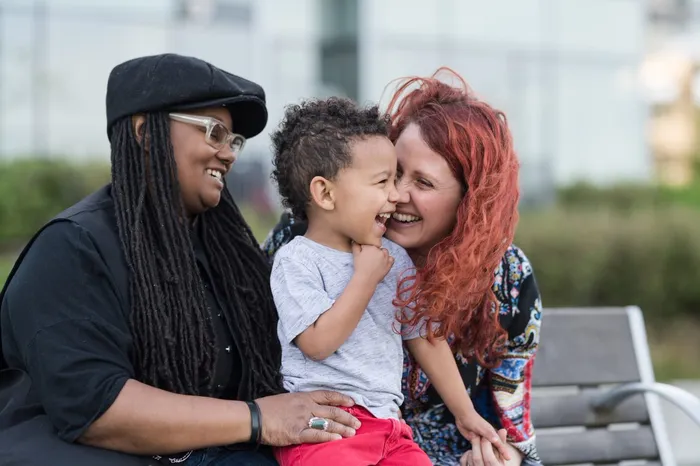
When a child is adopted, they legally become part of a new family and officially stop being considered a child in care. The adoptive parents take on all parental rights and responsibilities.
Sometimes, a child’s foster parents may apply for adoption. They can do this through the courts with an Adoption Order or Foster for Adoption (Early Permanence).
For young people, it may be that they are suited to a more independent style of residential care. This is known as supported living.
Young people could live in a flat, a shared communal house, or supported lodgings. They are helped with chores, budgeting, and education, to prepare them for the transition to full independence.
You could help us make sure that every child has a safe and happy start in life.
Children and young people go into care for all kinds of reasons.
The DfE’s figures for 2025 in England show that children in care are less likely to do well across the eight key GCSE subjects. This is called an Attainment 8 score. Children in care score an average of 17.3. In comparison, the average Attainment 8 score for children not in care was 46.
According to the UK Parliament’s Improving outcomes and support for children in care, nearly half of all children in care also have mental and emotional wellbeing issues.
The UK Parliament’s Children’s social care report 2024-25 says 39% of care leavers aged 19-21 are not in education, employment or training.
Every child in our care is provided with support to help them settle into their new home. We empower children and young people to have a say in what happens to them.
They'll receive a written care plan that sets out detailed information about their care, as well as their specific needs. This will be regularly reviewed and updated. They’ll also have access to a social worker, and a counsellor or therapist if needed.
Other support includes education, healthcare and life skills training.
[Action for Children care home] is one of the most helpful places there is. The staff helped me to gain confidence, get into sports... They have also helped me prepare to move on, and now I believe I can do it.
A young person at one of our care homes
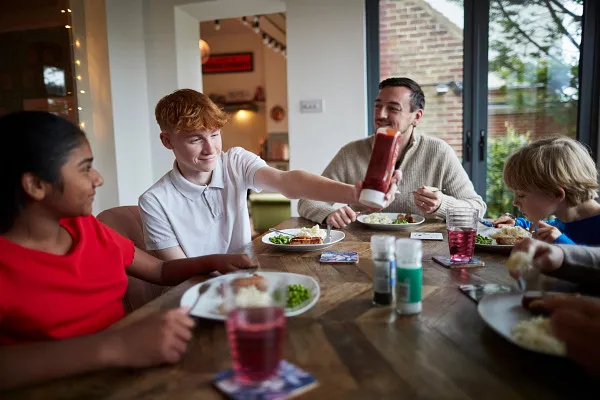
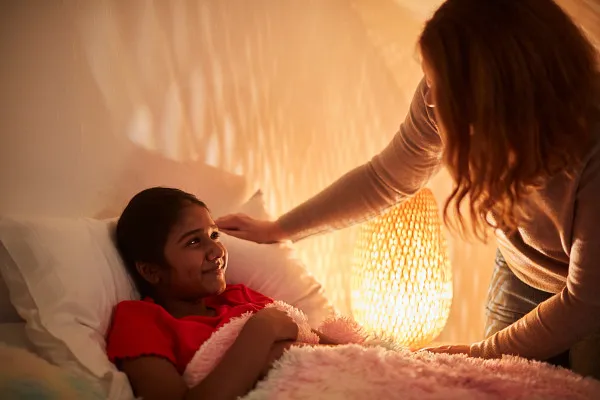
You could give children in care happy, safe homes