A Place to Call Home: Understanding what makes a good home for children in care across the UK
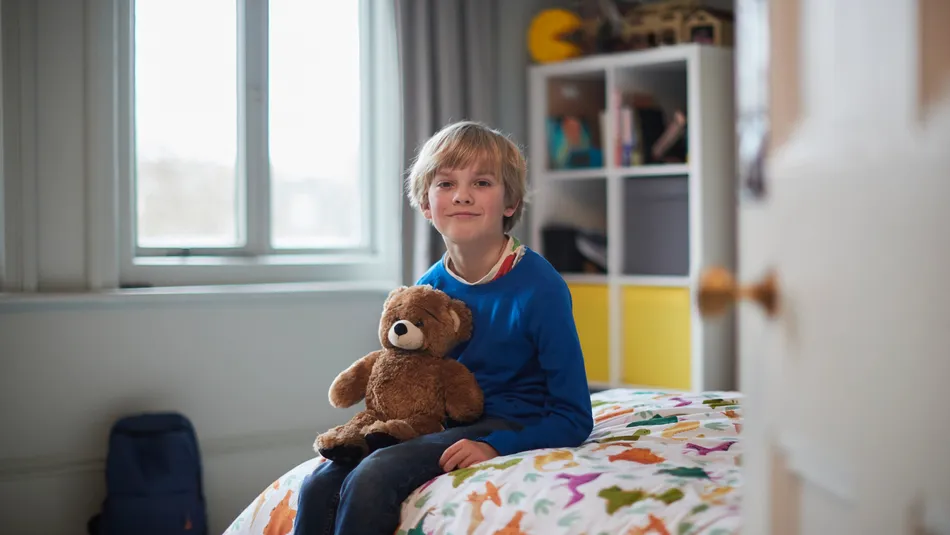
Every child in the care system deserves a safe, loving home. They should receive the highest quality care, in a home that is well-matched to their individual needs, so that they can thrive.
Unfortunately this is not the case for every child in care – with consequences for children's day-to-day lives and long-term outcomes. In our ‘A Place To Call Home’ series of reports for each UK nation, we look at what makes a high-quality home, and what steps governments can take to make them a reality for every child in care.
Our series of reports covers each UK nation and their individual policy context
It’s widely recognised that care systems across the UK are failing to deliver good experiences and outcomes for every child in care.
Currently there aren’t enough of the right types of home - foster or residential - in the right parts of the country, to meet children’s needs. Too many children are in inappropriate homes, without the right support, without stability, and without the ability to nurture key relationships. Supply is unable to meet demand.
Much has been said in recent years about the need to address sufficiency issues, and – in England, Scotland and Wales – to reform the market. However, less focus has been given to the importance of delivering consistently high-quality homes for children.
Furthermore, at a UK-wide policy level, we lack a fully-developed, shared understanding of what constitutes ‘quality’ – what makes a good home. In that context, there’s no guarantee that an increase in the supply of homes would lead to an improvement in their quality. A child’s experience of their home, and their outcomes, are linked to the quality of their care and their wider environment.
In this series of reports, covering each UK nation and their individual policy context, we set out to understand views on ‘quality’ among those closest to the issue: care-experienced people and the professionals involved in delivering their care. Our findings are based on focus groups and interviews with care-experienced young people and Action for Children service staff; a staff survey; and national polling of care-experienced people.
[At 15] I was in a home that had 14 girls – there aren't enough staff in the world for that many young people in one place…Homes need to make sure that they're able to individually cater. Too often, young people are taken on as an experiment [by care providers]. It seems to be like, “Well, if it doesn’t work out they’ll find them somewhere else”. But a child shouldn’t have to move because people…aren’t able to meet their needs.
A young person
We're calling on UK governments to help more children in care have what every child needs
We’re calling on UK governments to take immediate action on children’s social care, so children in care get the high-quality homes, love, and support they need to thrive. Across the UK, there is a need to create more good homes, to invest in a skilled and caring workforce, and to ensure the voices of children and young people are heard.
See below for summary recommendations from each nation or read the respective report for the full recommendations.
Agree? Sign your name.

Every child deserves a place to call home
Sign your name (opens in a new tab)