How does poverty affect children’s mental health?
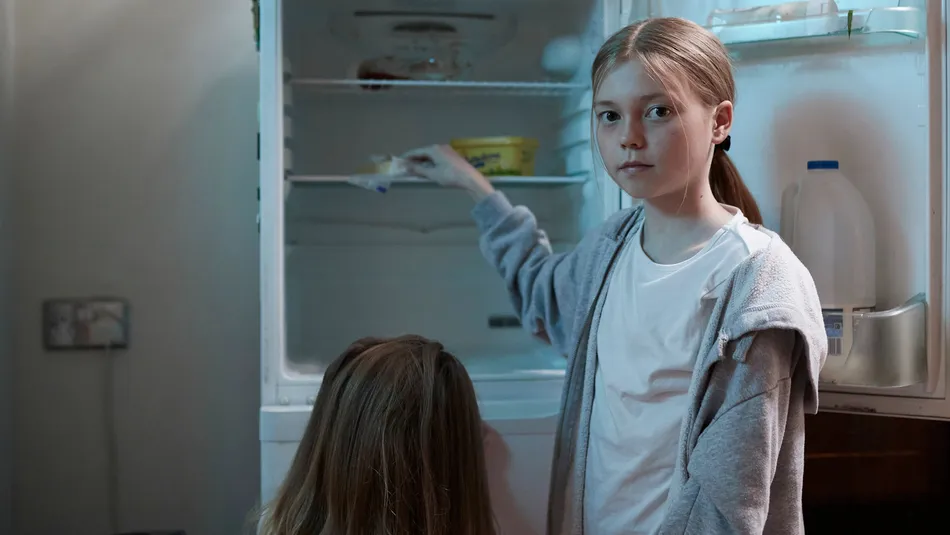
Growing up in poverty increases the risk of anxiety, low self-esteem and poor mental health.
When families struggle to afford basic essentials, this can affect a child’s physical and mental wellbeing.
Currently over a million children live in low-income households that struggle to afford essentials like warm winter coats and fresh fruit and vegetables.
4 million
That's 27%
7 out of 10
The Children’s Society states that children living around debt are five times more likely to be unhappy than children who are not living around debt.
Research shows that children living in or around debt are more likely to feel unhappy than children who aren't.
For children growing up in poverty, missing out on the things others take for granted can shape how they see themselves and their place in the world.
Comparison can make these struggles even harder, whether comparing to wealthier peers or other young people on social media.
Young children in low-income households may not understand why their lives feel different to others.
They might not understand why they don’t get the same gifts or why they can’t go on school trips.
Over time, experiences like these can affect confidence and emotional wellbeing. Some children may struggle with anxiety or depression as a result.
Frequently asked questions about child poverty in the UK
Explore the impact of child poverty in your local area
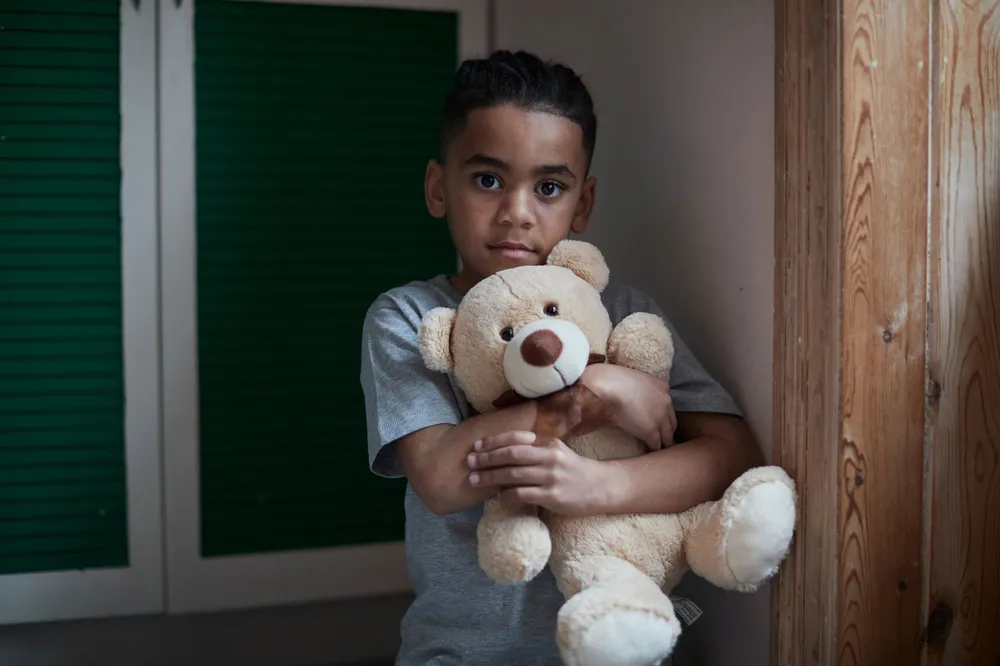
Right now, a devastating number of children are going without the safe and happy childhoods they deserve.
And thousands of parents are struggling to get the support they need.
We understand the importance of good mental health. That’s why we have thousands of frontline workers supporting children and their families every day.
Whether services like the Blues Programme that reaches children and young people, or Parent Talk to help struggling parents, our support services address a range of issues.
But we can only do this because of the generous support from people like you.
In 2025/25, we reached 544,297 children, young people, and their families. And with your help, we can continue reaching the people that need us.
Agree? Email your MP.
Keep up to date with Action for Children!
Sign up to our newsletter