‘Stable Homes, Built on Love’: One year on
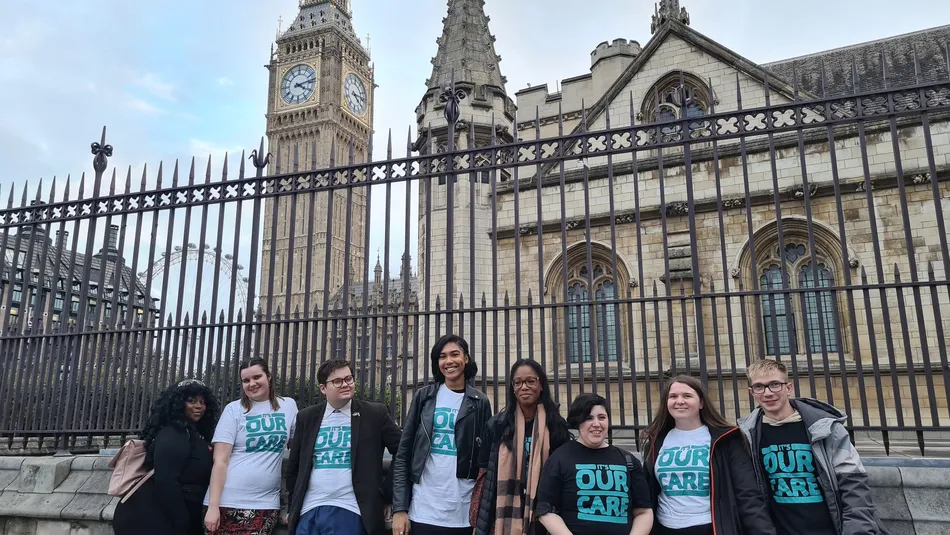
A year ago today, the government set out its 'Stable homes, Built on Love' strategy to reform children's social care. Here's what's happened since.
‘Stable Homes, Built on Love’, published a year ago today, is a mixture of short-term ambitions and ‘pathfinders’ to test major social care reforms and longer-term ambitions. These were picked by government from years of research, reviews and hours of consultation with young people, families, and practitioners.
However, it has taken much longer than a year to get to where we are, and there is still much further to go to create a children’s social care system fit for the future.
We speak up for children and make sure their voices are heard.
Since February, the Department for Education have been busy working with local authorities and other stakeholders to implement the plans outlined in ‘Stable Homes, Built on Love’.
What does this include?
- Launching the 'Families First for Children' pathfinders, which are co-designing and delivering multidisciplinary ‘family help’ teams in up to 12 local authorities.
- Launching ‘Regional Care Co-operative’ pathfinders in two areas. They will test a regional model for forecasting, planning, and delivering care placements.
- Publishing new statutory guidance - the Children’s Social Care National Framework - which sets the principles behind children’s social care and what it should achieve.
- Issuing updated statutory guidance on multi-agency safeguarding arrangements - ‘Working Together to Safeguard Children’.
- Publishing a national kinship strategy, which aims to improve support for kinship carers and ensure good outcomes for children in their care.
- Beginning work to develop a new model of advocacy, which reaches a larger number of children and has more independence from local authorities (whose decisions it’s often seeking to challenge).
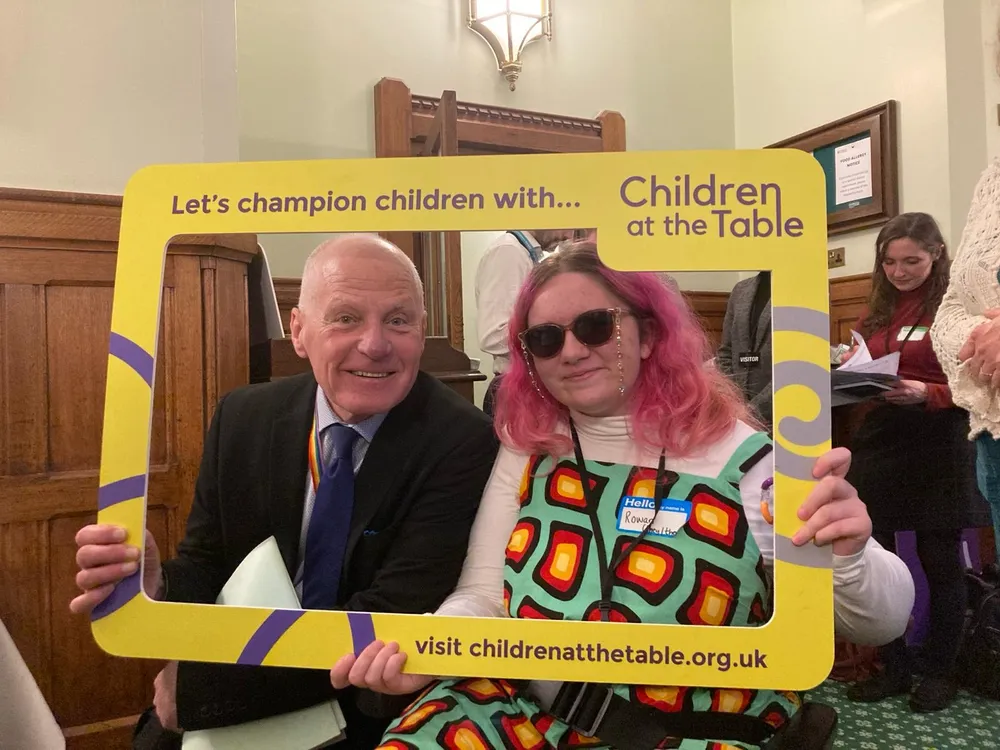
Lord Cashman and a young person posing at the Children at the Table Parliamentary launch
It has already been nearly three years since the Care Review began. The average time of a single episode in care is just under two and a half years. So for lots of children in the care system right now, their whole care experience will have been untouched by the Care Review.
We support the pathfinder approach and acknowledge that major reforms need to be tested and evaluated. However, the current phased (pathfinder) approach taken by government to implement improvements, means wholesale reform is delayed until 2025.
By not investing into the system in the meantime, we estimate that this delay will cost an additional £1bn over 10 years. [1]
Further delays must be avoided after the general election.
Meanwhile, children and families are struggling to get the support they need or are receiving it too late. And more children are in care than ever before.
There are:
- 60,000 missed opportunities to offer early help every year. [2]
- And 83,840 children in care – an increase of 23% over the last decade. [3]
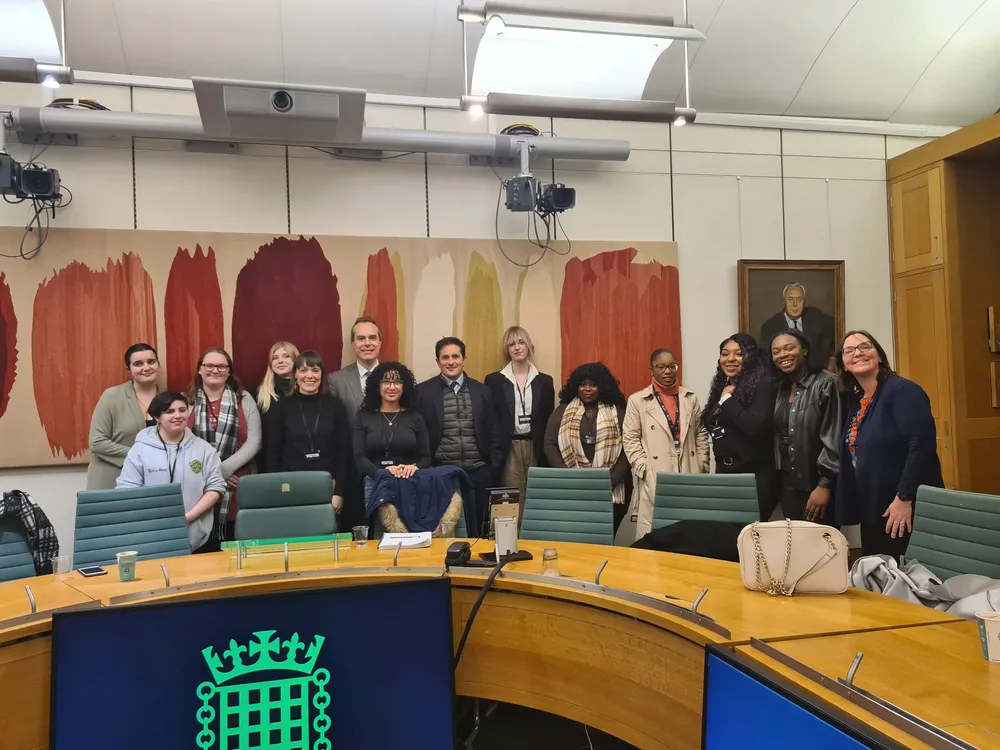
Care experienced young people meeting Ministers Johnston and Mercer
There is a high level of uncertainty about what the next general election will mean for the children’s social care reform programme. The next general election is expected to happen sometime this year. Yet, opposition parties have not explicitly committed to taking it forward and there’s no guarantee that the existing reforms will be delivered.
We’re working hard to make sure all parties commit to improving children’s social care.
- Met with key politicians, alongside care experienced young people, to discuss the challenges within the care system and hopes for the future, including:
- David Johnston, Minister for Children, Families and Wellbeing.
- Johnny Mercer, cross-government lead for care leavers.
- Bridget Phillipson, Shadow Secretary of State for Education.
- Helen Hayes, Shadow Minister for Children and Early Years.
- Hosted a Parliamentary event for the launch of our latest research on reunification (children returning home from care), an area which has been overlooked in discussions on children’s social care reform.
- Launched the ‘Children at the table’ campaign, as part of the Children’s Charities Coalition, calling on government to put children’s needs at the heart of decision-making.
Each year, we support thousands of families and children. With your help, we could do more.
Overall, we’d like to see all parties commit to investment in, and reform of, children’s social care, to ensure that children in need of help and protection get the right support, at the right time, to achieve good outcomes.
References:
[1] Alma Economics (2023) The Cost of Delaying Reform to Children’s Social Care
[2] Action for Children (2022) Too little, too late: early help and early intervention spending in England
[3] Department for Education (2023) Children looked after in England including adoptions

Keep up to date with Action for Children!
Sign up to our newsletter