What are the Two-Child Limit and Benefit Cap, and did they increase child poverty?
The Two-Child limit ended in April 2026. Find out how the policy worked, why it was introduced and the impact it had on families.
What is the Two-Child Limit and Benefit cap?
The Two-Child benefit cap affected 1.6 million children across the UK, with one in nine children affected.
At the same time, the Benefit Cap pushes families deeper into hardship and makes it harder to escape poverty.
A lot of the conversation around the Two-Child Limit focuses on the simplistic idea that people should not have more children than they can ‘afford’.
This is both cruel and, in many cases, irrelevant.
We were working when we had our third child. We didn't expect to have a disabled child and need extra care. We weren't on benefits and then thought ‘We'll have three kids’ or whatever else. To get the help, it doesn't seem fair.
Dad, interviewed for our ‘All Worked Out’ report
Six in ten households affected by the two-child limit are in work.
And family circumstances can change overnight.
Parents might fall ill or might separate.
A third child may have a disability, which affects a parent’s ability to work.
In these cases, the Two-Child Limit can make a difficult situation even worse.
1.6 million
The UK government officially scrapped the two-child limit on 6 April 2026.
This will lift 350,000 children out of poverty overnight, and keep half a million free from poverty by the end of the decade.
Nearly half (49%) of children living in poverty are in families with more than two children.
What has happened to Tom and myself can happen to anybody.
Kerry, a parent supported by Action for Children
We supported Tom and Kerry when the birth of their third child left Kerry in chronic pain, unable to work properly and experiencing seizures.
Tom had to give up work to care for Kerry and the children.
Having to rely on benefits forced them to leave their privately rented house, and give up their car.
Action for Children was able to support the family with £250 towards a new washing machine, energy vouchers, and referral to the local food bank.
Kerry tells us: "I was no better or no worse than anyone else before this happened. I’m just an average person, who was working, my partner was working, and we fell onto hard times."
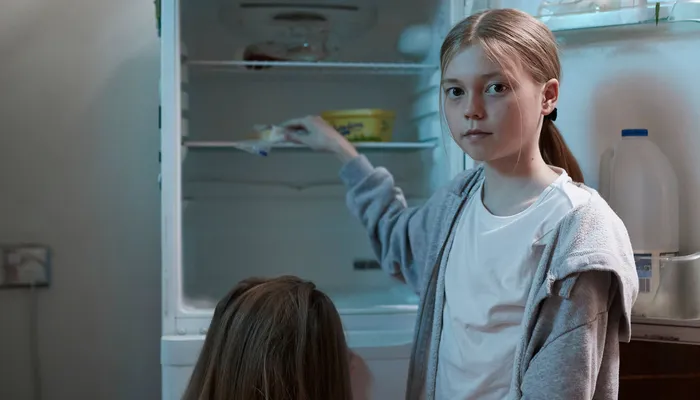
Fewer treats, toys, and trips out. Less money to keep the fridge full, or the bailiffs at bay. Poverty affects those who experience it in lots of ways, including their mental health.
Help us be a vital lifeline for children, young people and families
Keep up to date with Action for Children!
Sign up to our newsletter