Child poverty
No child should have to pay the price of poverty
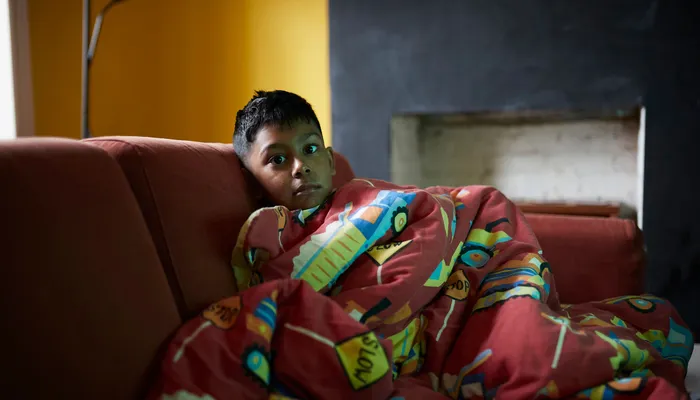
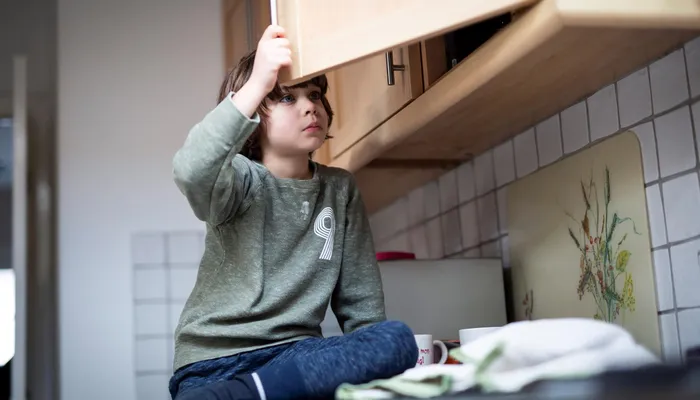
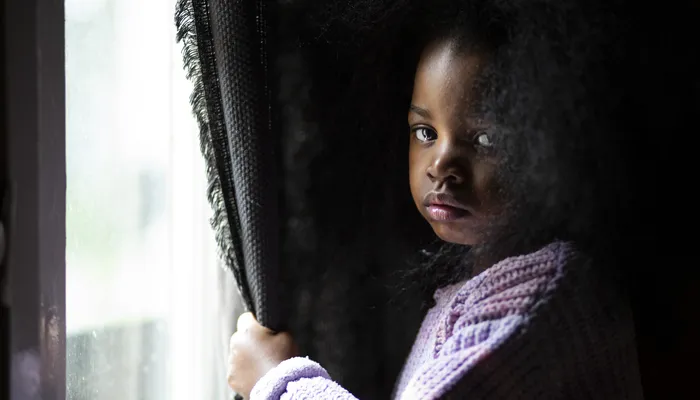
Children in the UK are paying the price of poverty every day. Spending their childhoods feeling anxious, ashamed, isolated.
It’s relentless. And it doesn’t just affect their childhood. The harms caused by child poverty can last a lifetime.
4 million
8 children
But this level of hardship isn't inevitable. It doesn't have to be this way - and it’s time to act.
The UK government has announced that the two-child limit will be scrapped in full as part of its new Child Poverty Strategy. This will lift 350,000 children out of poverty overnight, and keep half a million free from poverty by the end of the decade. Nearly half (49%) of children living in poverty are in families with more than two children.
We have been campaigning for the Labour government to remove the two-child limit and benefit cap as part of our Paying the Price campaign. Scrapping the two-child limit will mean fewer children growing up in cold homes without enough food to eat, warm clothes to wear or a bed to sleep in.
I’m noticing that I’m trying to make money stretch further and it’s just not stretching. So it could make a huge difference, just having a little more money to account for.
Jasmine, mum campaigning with Action for Children
Our research has shown that families with children are more likely to face the worst consequences of the cost-of-living crisis. Many are struggling to meet rising costs of rent, bills and food - whether they're in work, or relying on social security.
Benefits and wages are often too low to meet family's needs - however well they plan, or budget. And its children who are paying the price.
Harsh policies like the Two-Child Limit and the Benefit Cap are making this crisis worse. Between 2013 and 2023, child poverty rose by 700,000. The Two-Child Limit and the Benefit Cap are driving this, pushing families deeper into hardship and making it harder to escape poverty.
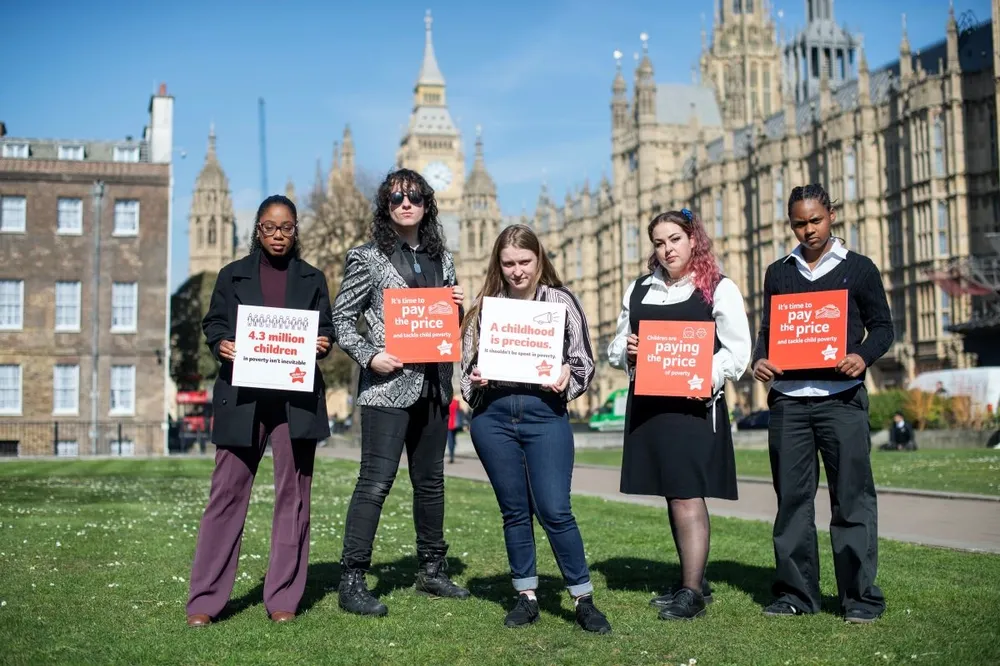
Poverty has a real impact on children's lives, both practical and emotional. They can go without essentials, miss out on opportunities, and carry the weight of money worries.
Every family is different, and no one has the same experience. But here are some of the realities children might face.
How poverty affects children
-

 1
1Education
Children living in poverty may do less well at school, have fewer job prospects, or feel fatigued and tired when learning.
-
2
Mental health
Children living in poverty may worry about their parents, be scared about their future, or feel left out and embarrassed compared to peers.
-
3
Family life
Families living in poverty may be unable to afford holidays and days out, not have enough food, or live in overcrowded homes.
-
4
School and friends
Children living in poverty may be unable to have friends over, struggle to afford the correct school uniform, or miss out on school trips.
We help decision-makers think about and act on the needs of children and young people.
Our recent policy reports: